The Beauty of Imperfection in Handmade Ceramics

Handmade ceramics have a unique charm that mass-produced items simply cannot replicate. Each piece tells a story, reflecting the artist's journey, emotions, and the beauty of imperfection. In a world that often values perfection, handmade ceramics stand out as a celebration of individuality and creativity. This blog post explores the allure of handmade ceramics, the significance of their imperfections, and how they can enhance our lives and spaces.
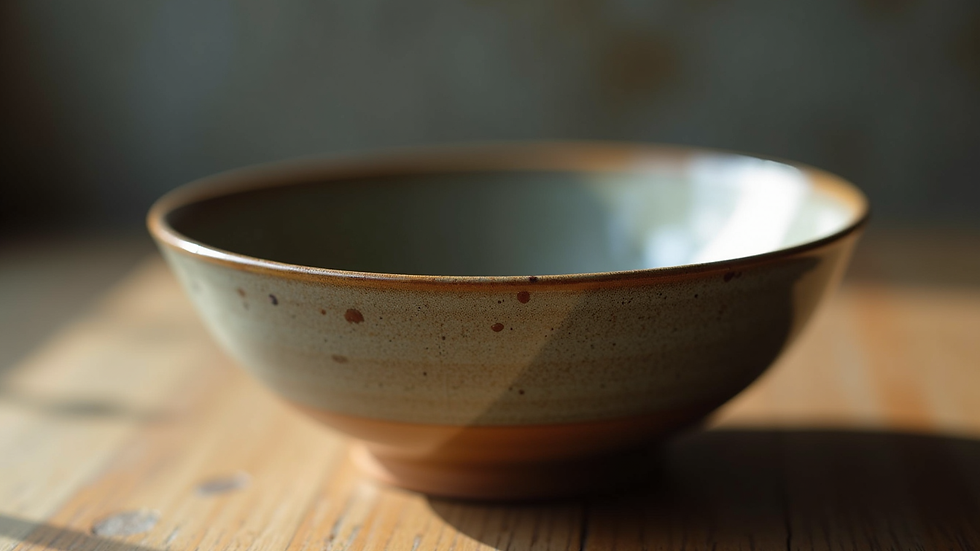
The Allure of Handmade Ceramics
A Personal Touch
One of the most compelling aspects of handmade ceramics is the personal touch that each artist brings to their work. Unlike factory-made items, handmade ceramics are crafted with care and intention. This personal connection can be felt in the texture, shape, and color of each piece.
Unique Designs: Every handmade ceramic piece is one-of-a-kind. Artists often experiment with different techniques, glazes, and forms, resulting in a diverse range of products. This uniqueness allows collectors to find pieces that resonate with their personal style.
Emotional Connection: Owning a handmade ceramic item often creates a deeper emotional connection. Knowing that an artist poured their heart and soul into creating a piece can make it feel more special.
The Role of Imperfection
In the realm of handmade ceramics, imperfections are not flaws; they are what make each piece special. The Japanese philosophy of Wabi-Sabi embraces the beauty of imperfection, highlighting that flaws can enhance the aesthetic appeal of an object.
Character and Charm: A slight unevenness in a bowl or a unique glaze pattern can add character to the piece. These imperfections tell a story of the creation process, making each item a conversation starter.
Celebrating Authenticity: In a society that often promotes perfection, handmade ceramics remind us to embrace authenticity. The irregularities in shape and color reflect the human touch behind the creation, making them more relatable.
The Process of Creating Handmade Ceramics
From Clay to Creation
The journey of handmade ceramics begins with raw materials. Artists typically start with clay, which they shape and mold into their desired forms. This process can vary significantly based on the artist's style and techniques.
Choosing the Clay: Different types of clay can produce various results. For example, stoneware is known for its durability, while earthenware is more porous and often used for decorative pieces.
Shaping the Clay: Artists may use techniques such as hand-building, wheel-throwing, or slip-casting to shape their pieces. Each method has its own unique characteristics and challenges.
Firing: Once shaped, the ceramics are fired in a kiln. This process solidifies the clay and prepares it for glazing. The firing temperature can affect the final appearance of the piece.
Glazing: Glazing adds color and texture to ceramics. Artists often experiment with different glazes, resulting in unique finishes. The unpredictability of glazing can lead to beautiful imperfections.
The Importance of Experimentation
Many ceramic artists embrace experimentation as a vital part of their creative process. This willingness to try new techniques and materials often leads to unexpected and delightful results.
Inspiration from Nature: Many artists draw inspiration from the natural world. The colors and textures found in nature can influence their glazing choices and shapes.
Learning from Mistakes: Imperfections that arise during the creation process can lead to new techniques or styles. Artists often find beauty in these "mistakes," leading to innovative designs.
The Impact of Handmade Ceramics on Our Lives
Enhancing Our Spaces
Handmade ceramics can transform our living spaces, adding warmth and personality. Whether used as functional items or decorative pieces, they can enhance the ambiance of any room.
Functional Art: Handmade ceramics serve practical purposes while also being visually appealing. A beautifully crafted mug can elevate your morning coffee ritual, making it feel more special.
Decorative Elements: Unique ceramic pieces can serve as focal points in a room. A striking vase or bowl can draw attention and spark conversation, showcasing the beauty of imperfection.
Mindfulness and Connection
In a fast-paced world, handmade ceramics encourage mindfulness and connection. Engaging with these pieces can foster a sense of appreciation for craftsmanship and the stories behind each item.
Mindful Consumption: Choosing handmade ceramics over mass-produced items promotes a more mindful approach to consumption. It encourages us to consider the origins of the items we bring into our homes.
Connecting with Artists: Many ceramic artists share their stories and processes through social media or local markets. This connection can deepen our appreciation for the art form and the individuals behind it.
Supporting Local Artists
The Importance of Community
Supporting local ceramic artists not only helps sustain their craft but also strengthens community ties. By purchasing handmade ceramics, you contribute to the local economy and encourage creativity in your area.
Local Markets and Fairs: Visiting local craft fairs or markets is a great way to discover new artists and their work. These events often showcase a variety of styles and techniques, allowing you to find unique pieces.
Online Platforms: Many artists now sell their work online, making it easier to support them from anywhere. Websites like Etsy and social media platforms provide a platform for artists to showcase their creations.
Building Relationships
Establishing a relationship with local artists can enhance your appreciation for their work. Many artists are happy to share their stories and processes, providing insight into their creative journeys.
Workshops and Classes: Participating in pottery workshops or classes can deepen your understanding of the craft. Learning from an artist firsthand can be an enriching experience.
Commissioning Custom Pieces: If you have a specific vision in mind, consider commissioning a piece from a local artist. This collaboration can result in a truly unique item that reflects your personal style.
Conclusion
The beauty of imperfection in handmade ceramics lies in their ability to connect us to the artist and the creative process. Each piece tells a story, reminding us to embrace authenticity and individuality. By supporting local artists and choosing handmade items, we not only enhance our living spaces but also foster a sense of community and mindfulness.
As you explore the world of handmade ceramics, remember to appreciate the unique qualities that make each piece special. Whether it's a charming mug or a stunning vase, these items can bring joy and beauty into your life. So, the next time you're looking for something special, consider the beauty of imperfection in handmade ceramics.


Comments